No mattress makes you cold. What a mattress can do is avoid trapping the heat your body gives off — and on a warm Australian night, that difference is the one you notice at 2 am. This page ranks every mattress we cover by how well its construction lets heat escape.
How this list is ordered
Unlike our other category pages, this one is sorted by a single criterion: the cooling score, one of the ten scores every mattress on the site receives. Where two mattresses share a cooling score, the one with the higher overall score goes first. The label on each card shows the cooling score; the large number is the overall score, the same one the mattress carries on our Top Rated list. That is why a mattress with a high overall score can sit lower here — it may be excellent at other things and only average at shedding heat.
The cooling score is our assessment of each mattress's published materials and construction. We do not run temperature tests, and no score on this site comes from a lab. How We Rate sets out what each of the ten scores covers.
What makes a mattress sleep warm or cool
What is underneath you
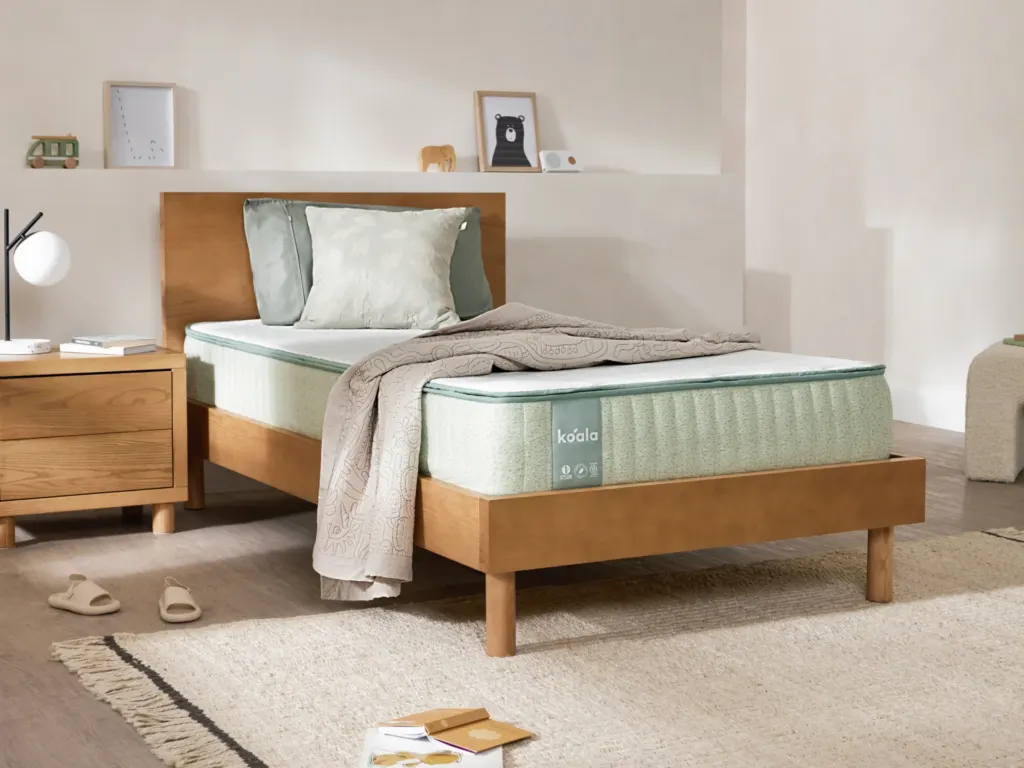
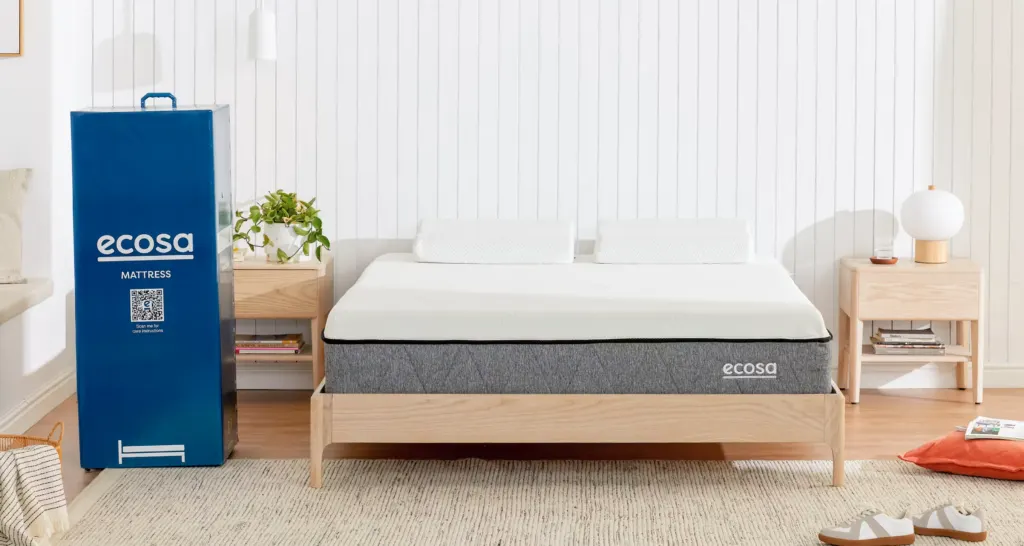
The single biggest factor is whether there is open space for air to move. A pocket-spring core is mostly air; foam is mostly not. Heat that reaches a spring core has somewhere to go, while heat that reaches a dense slab of foam stays close to your body. That is why spring hybrids generally rank higher on this page than all-foam mattresses do, and why our own reviews of the foam mattresses say so directly: on the Koala, "all-foam sleeps warmer than a spring hybrid, and no cover fixes that"; the Ecosa "sleeps warm".
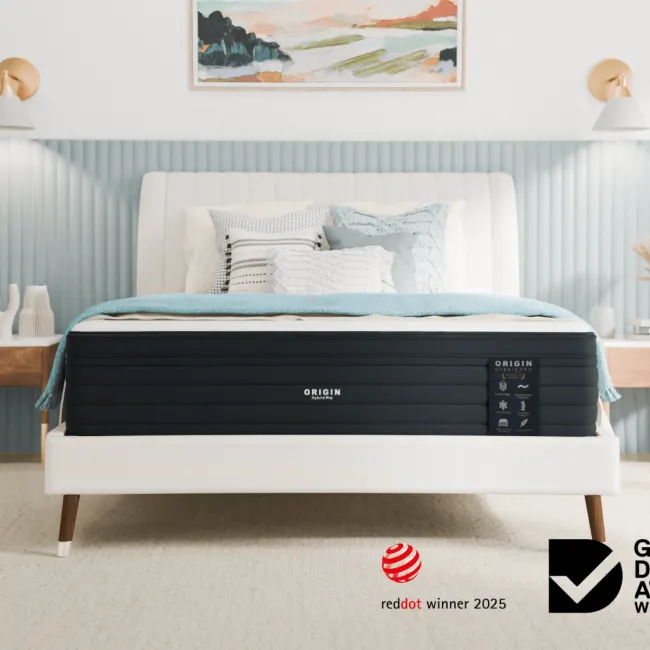
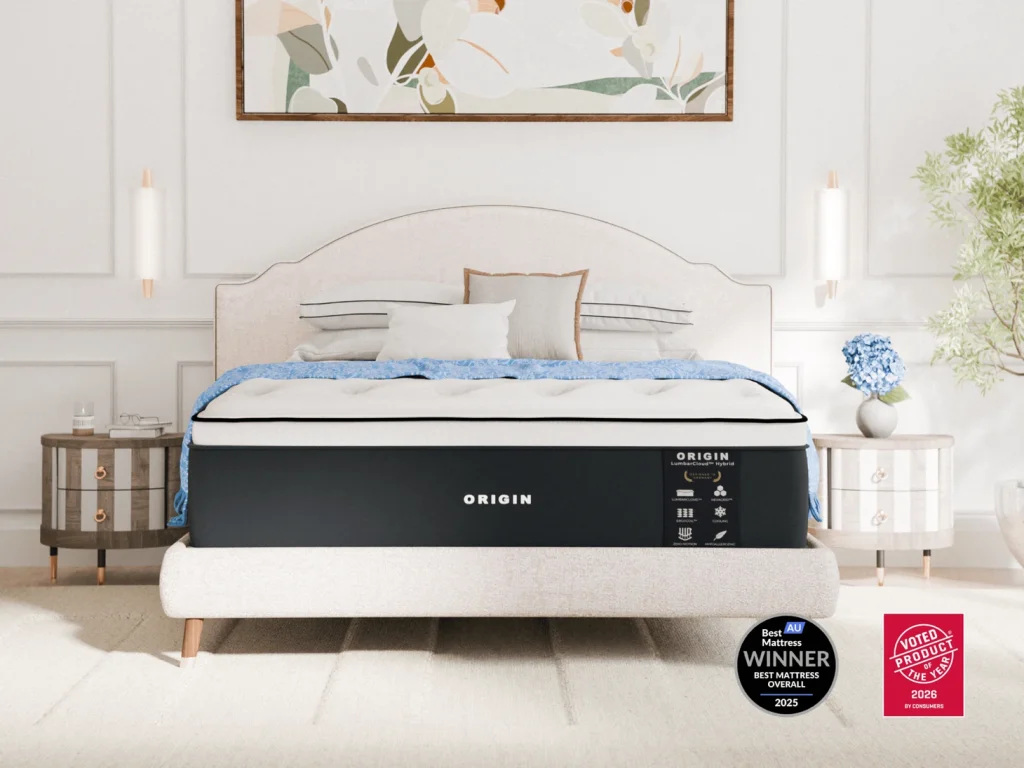
Some hybrids add a second, finer layer of springs near the surface, usually called micro-coils. The Origin Hybrid Pro and Origin LumbarCloud both use one, and on the LumbarCloud the two spring layers leave open channels for air to move through. Newentor's Hybrid Pro uses a 1 mm micro-coil layer, which is what lets it contour without trapping heat.
What is on top
Comfort layers matter because they are what you are actually lying in. Memory foam moulds closely around you, which is comfortable and also warm. Brands work around this in different ways: Emma uses a graphite-infused ThermoSync foam in the Luxe ViscoCool, and Origin puts a bamboo-charcoal foam and a wool climate layer into the Hybrid Pro. These help, but they are refinements on top of the construction, not a substitute for it.
The cover
Covers are where "cooling" marketing is loudest and where the effect is smallest. A "cool-touch" fabric feels cool when you first lie down and then settles to your skin temperature. Breathable knits still help moisture move away: Emma uses a polyethylene-blend PolarLuxe cover, and Sleeping Duck a knitted bamboo cover it calls BreatheTech. Treat a cooling cover as a small bonus, not a reason to buy.
How far you sink
The softer a mattress is for your weight, the more of your body it wraps around, and the more heat it holds against you. A hot sleeper who loves a plush feel is asking for two things that pull in opposite directions. If you can, choose the firmest feel you are comfortable on — or a mattress with adjustable firmness, so you can change your mind.
The trade-off hot sleepers make
The construction that sheds heat best — an open spring core — is also the one that carries movement further across the bed and is more likely to make a noise. Foam is quieter and better at keeping a partner's tossing and turning on their side of the bed, and it is warmer. If you share a bed with a restless sleeper, compare the motion-isolation column in the table above alongside the cooling score, and read our foam mattress and hybrid mattress pages for the detail on each.
Things outside the mattress that matter as much
- The protector. A plastic-backed waterproof protector undoes much of what a breathable mattress does. If you use one, look for a breathable membrane rather than a vinyl or PVC backing.
- The bedding. Cotton, linen and wool let moisture move; polyester sheets and heavy synthetic quilts hold heat. In summer, a lighter quilt does more than any mattress upgrade.
- The bed base. A slatted base lets air reach the underside of the mattress; a solid platform or the floor does not. Check the brand's base requirements first — some warranties set a maximum gap between slats.
- The room. Airflow across the bed, from a fan or an open window, moves more heat than any material can.
What the cooling score cannot tell you
A score compares mattresses with each other; it does not know your bedroom. Two people on the same mattress can sleep at very different temperatures, and a sleeper who runs cold may be happier on a warmer foam mattress than on the top of this list. The score also says nothing about comfort: a well-ventilated mattress in the wrong firmness will still keep you awake. Use the cooling ranking to narrow the field, then choose between the shortlist on firmness, support and the trial terms.
Finally, be wary of temperature claims in advertising. "Sleeps up to X degrees cooler" figures usually come from the brand's own comparison against an unnamed mattress, under conditions you cannot check. We do not repeat them, and you should not rely on them.
Before you buy
A cooler mattress is still a mattress you have to be able to sleep on. Check its firmness against how you sleep, and read the trial conditions: some brands ask you to keep the mattress for a minimum number of nights before a return can start (25 for the Origin Hybrid Pro, 30 for the Newentor Hybrid Pro), and some deliver free only to metro postcodes. Sealy and TEMPUR, which are sold through showrooms, have no sleep trial at all.
We have not slept on these mattresses. Everything here comes from what each brand publishes about its Australian product, warranty and trial — confirm the price and terms on the brand's own page before you buy.