Sleeping on your side puts your two widest points — the shoulder and the hip — into the mattress while the rest of you stays narrower. The mattress has to let those two sink far enough that your spine stays level, without letting the middle sag.
The failure modes at each end
Too firm and the shoulder cannot sink. Your weight concentrates on a small contact patch, which is what produces a numb arm, an aching shoulder and a night spent turning over. The spine also bends sideways at the waist because the shoulder is being held up.
Too soft and the hips drop through the comfort layer. The spine sags in the middle instead of staying level. This one often feels wonderful for the first week and wrong by the third — which is exactly why the trial period matters.
What you are aiming for is the middle: enough give at the shoulder and hip, enough structure underneath that the load-bearing middle stays up.
Where it hurts tells you which way to move
If you are replacing a mattress because of pain rather than age, the location is the most useful piece of information you have.
- Shoulder ache, or a numb arm that wakes you. Almost always too firm. The shoulder is not being allowed in, so it carries load it was never meant to carry. Move softer at the surface, or look for a deeper comfort layer over the same core.
- Hip pain on the down side. Same cause, same direction. The hip is the second contact point and it fails the same way the shoulder does.
- Lower back ache after a night on your side. Usually the opposite problem — the hips have sunk too far and the waist is unsupported. Move firmer in the core, not necessarily at the surface.
- Neck pain. Usually the pillow, not the mattress. Change the cheaper thing first.
Two of these point softer and one points firmer, which is why "what is the best firmness for side sleepers" has no single answer. Diagnose before you shop.
Comfort layer depth matters more than the firmness label
A firmness rating describes the surface. For a side sleeper the more useful figure is how much soft material sits above the support core, because that is what determines whether the shoulder can actually get in.
A thin comfort layer over a firm core bottoms out — you sink through the soft part in a centimetre and land on the hard part underneath. A deeper comfort layer over the same core behaves completely differently while carrying a similar firmness label.
Firmness labels are not standardised
There is no industry scale behind them. One brand's "medium" is another's "medium-firm", and both are describing their own range rather than a common reference. When comparing two mattresses, compare layer construction and depths. Compare the labels only within a single brand.
Your weight changes the answer
The same mattress is a softer bed under a heavier person and a firmer bed under a lighter one. A lighter side sleeper often needs to go softer than the general advice to get the shoulder in at all. A heavier side sleeper often needs more support underneath to stop the hips dropping — which can mean a firmer core with a deeper comfort layer on top, rather than simply a firmer mattress.
How the mattresses on this list compare
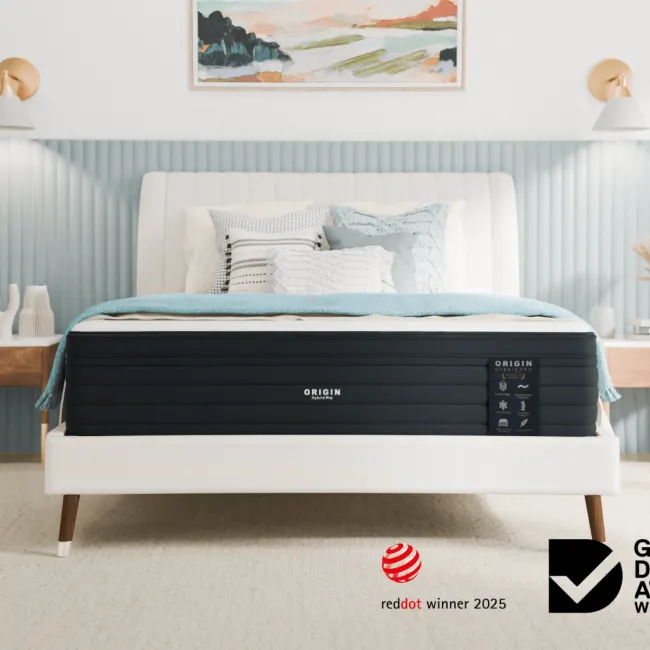
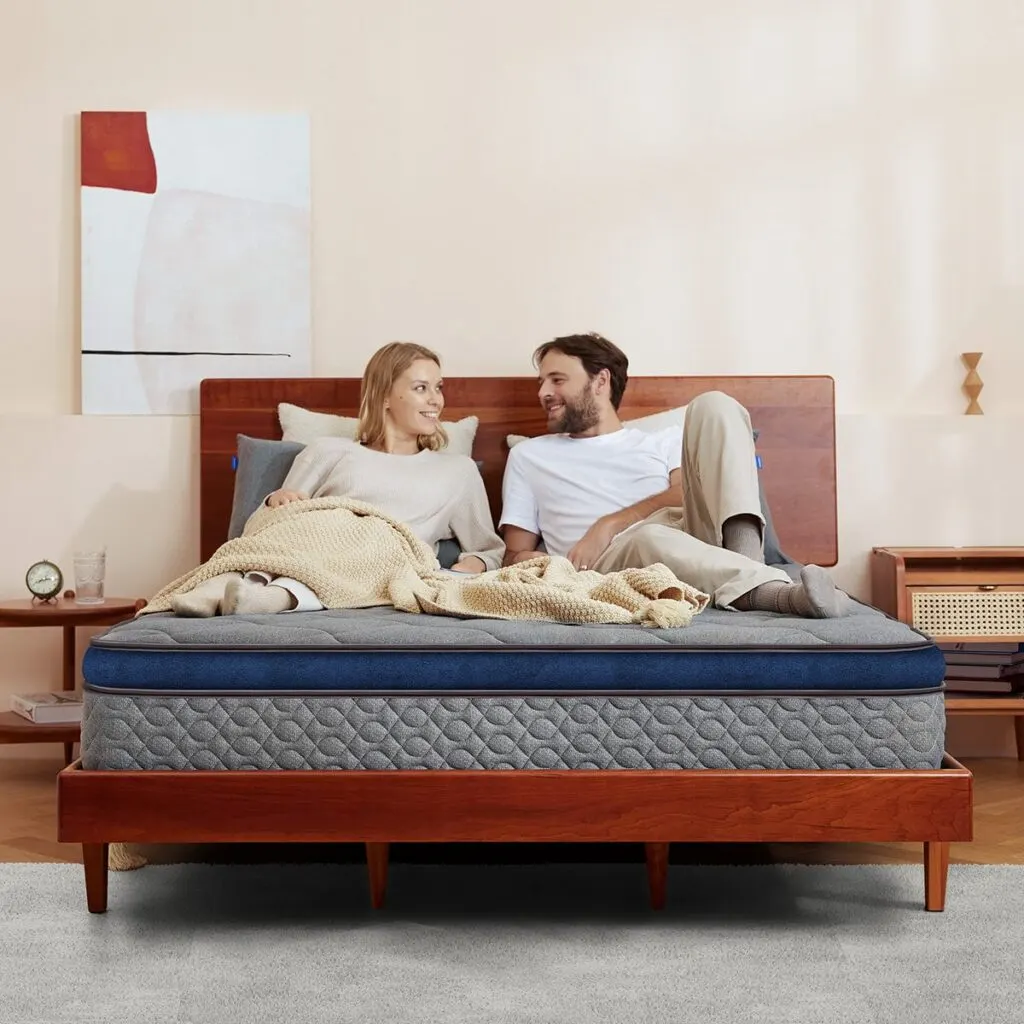
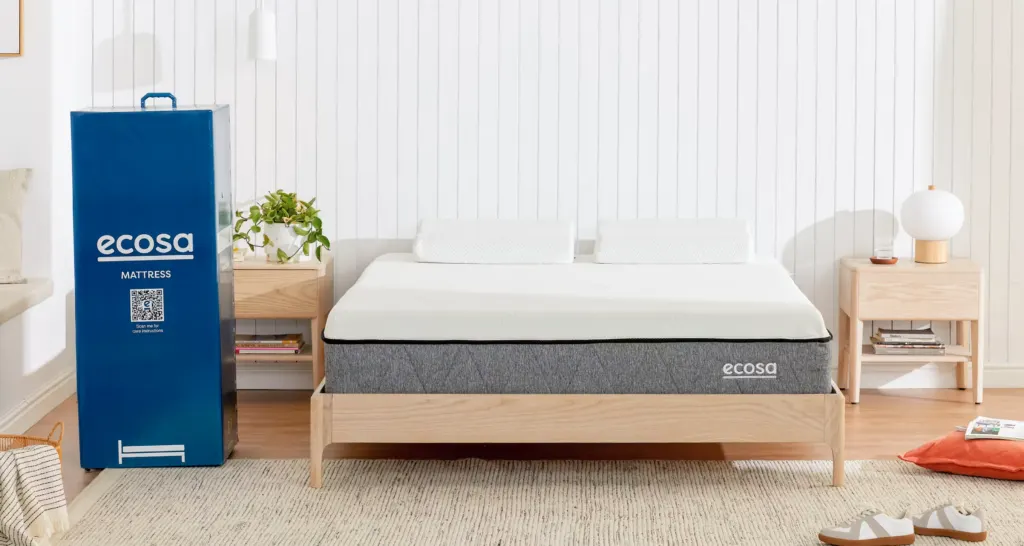
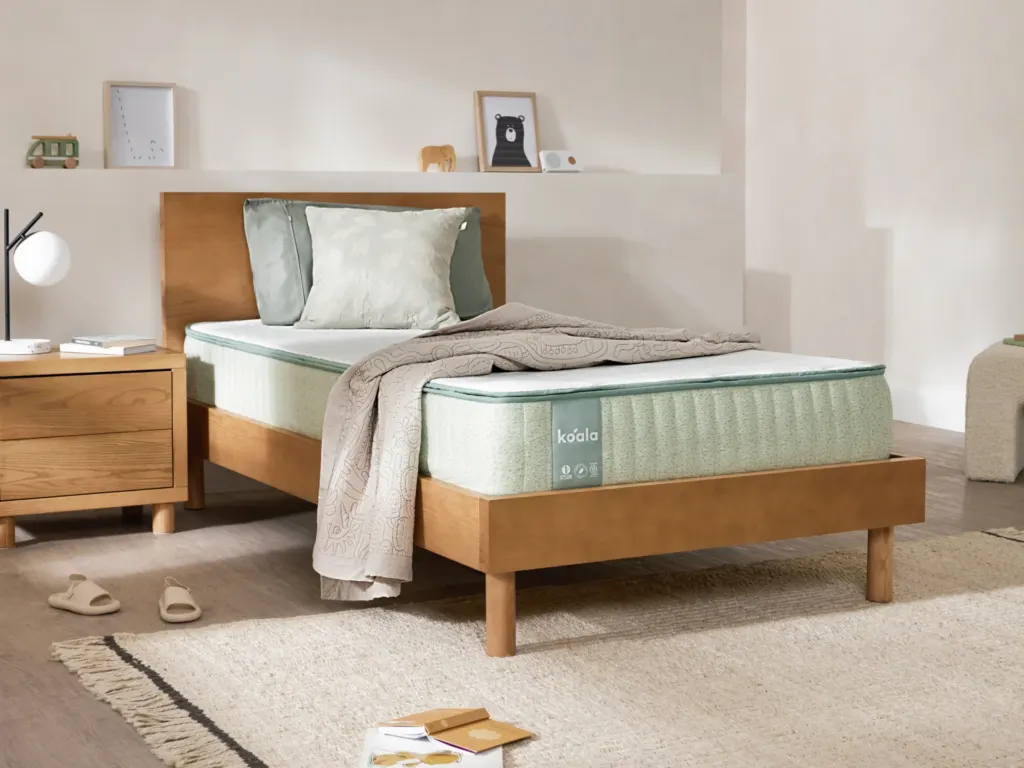
Every mattress ranked here is scored for pressure relief on the same ten-point scale used across the site, and the badge on each card shows that figure rather than the overall score. The five on this page sit between 8.9 and 9.2 — a narrow band, which is the point: they are here because they all clear the bar for this position.
The order on the page is set by the overall score, not by pressure relief alone, so the highest pressure-relief figure on the list is not necessarily at the top. If pressure at the shoulder is the specific problem you are solving, read the badge numbers across the row rather than the ranking order.
Construction-wise the list splits: some are pocket-spring hybrids and some are foam. For a side sleeper both can work, and they fail differently rather than one being better. Foam contours further into the gap at the waist, which suits a pronounced shoulder-to-waist difference. A hybrid keeps the support core from hollowing under the hip and moves more air, which suits heavier sleepers and hot ones. Neither is the side-sleeper answer on its own.
Other things worth checking
- Zoning. Softer at the shoulders, firmer under the hips. It targets exactly the problem this position creates.
- Responsiveness. Memory foam contours deeply but can feel slow to release, which is noticeable if you change sides often. Latex and pocket springs come back faster.
- Motion isolation matters if you share the bed, since side sleepers tend to move more than back sleepers.
- Edge support. Side sleepers often sleep closer to the edge, so a mattress that collapses at the perimeter effectively gives you a narrower bed.
When you share the bed and only one of you sleeps on their side
This is the most common version of the problem, and there are three ways out of it.
Split the firmness. Several mattresses on this site can be configured with a different firmness on each half, or flipped and re-set after delivery. That is the cleanest answer when the two of you disagree by a lot, and it removes the need for anyone to compromise on the surface.
Meet in the middle and adjust with a topper. Buy the firmer of the two preferences and add a topper on the side sleeper's half. It is reversible, it is cheap, and it does not change the support core — which is the part that has to be right for both of you anyway.
Prioritise motion isolation instead. If the real complaint is being woken rather than being uncomfortable, the fix is a mattress that localises movement rather than one that changes firmness. Wrapped coils and foam both do this; a linked spring unit does not.
The pillow is doing half the work
This is worth saying plainly: for side sleepers, pillow height affects neck alignment about as much as the mattress affects spinal alignment, and it is a far cheaper thing to change. A pillow that is too flat drops the head toward the mattress; too tall and it pushes the neck the other way. The right height is roughly the distance between your ear and the outside of your shoulder — which means a side sleeper generally needs a taller pillow than a back sleeper.
There is a second-order effect worth knowing: a softer mattress lets the shoulder sink further, which reduces the gap the pillow has to fill. Change the mattress and the pillow that suited you may not any more. Re-check the pillow a few weeks into a new bed rather than assuming it is still right.
If you are waking with neck or shoulder pain, try the pillow before replacing the bed.
Sleeping on your side during pregnancy
Side sleeping is commonly recommended during pregnancy, which means a lot of people become side sleepers over a short period and find their existing mattress does not suit the position. The mattress considerations are the ones on this page — enough give at the shoulder and hip, enough support at the waist — with the addition that a body or wedge pillow between the knees does more for alignment than most mattress changes, and costs far less.
What is on this page is product comparison, not health guidance. Questions about sleeping position during pregnancy belong with a midwife or doctor, not a mattress retailer.
Use the trial properly
Give it the full break-in period. A mattress that suits a side sleeper often feels slightly too soft on the first night and correct by week three, because the comfort layer settles and your body stops bracing against the old bed. Judging on night one is the most common way to return the right mattress.
Common questions
What firmness should a side sleeper buy?
Medium to medium-soft is the usual starting point, but weight moves it in both directions and the label is not standardised between brands. Treat it as where to start looking, not as the answer.
Is memory foam or a hybrid better for side sleeping?
Both work. Foam contours further, which helps if your shoulder-to-waist difference is pronounced. A hybrid holds the hip up better and runs cooler. Choose on which of those two you need, not on the category name.
My arm goes numb at night — is that the mattress?
It is a classic sign of too much pressure at the shoulder, which usually means the surface is too firm for the position. It can also have causes that have nothing to do with the bed, so if changing the surface does not resolve it, it is worth having looked at properly.
Do I need a zoned mattress?
No, but zoning targets exactly this position's problem — a softer shoulder area with a firmer hip area is what a side sleeper is trying to build by hand when they add a topper to one part of the bed. If two mattresses are otherwise similar, zoning is a reasonable tiebreak here.