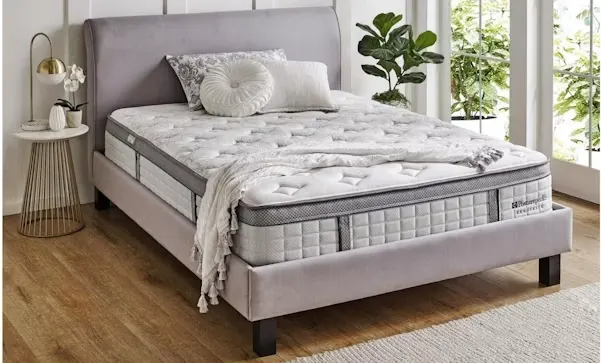
Sealy Posturepedic Exquisite Rosewood
4 firmness levels · 33 cm · 10-year warranty
8.4/10
From $2,399
Read the full Sealy reviewTop3 Mattress compares mattresses sold in Australia, and we make our money when a reader buys through one of our links. Brands pay us advertising and referral fees, and those arrangements affect which mattresses we cover and how high they sit in our rankings. Some mattresses here have no arrangement with us at all.
Every mattress is scored against the same ten published criteria, and each of the ten scores is shown alongside the total. What those criteria measure, and how the total is set, are laid out on our How we rate page. The work behind the scores is desk work: we read published specifications, warranty documents and trial terms, and cross-check them against each manufacturer's own pages. We do not buy these mattresses and sleep on them, and no score here comes from in-home testing.
We do not cover every mattress sold in Australia, and the ones we can earn a commission on are more likely to be among the ones we do cover. Prices, trial lengths and warranty terms change without notice, so check the brand's own page before you buy. A ranking here is not a guarantee about a product and not an endorsement of it. Our full terms are set out in the Terms of use.
Head to head
Sealy is the traditional route: a thick innerspring you lie on in a Harvey Norman showroom, four firmness levels at one price, the only specified edge reinforcement here — and no trial once it is delivered. Sleeping Duck is the opposite approach: you buy it unseen, then tune it at home, including a different firmness on each side, with free pad swaps during the trial. Sleeping Duck costs less and scores higher overall.
4 firmness levels · 33 cm · 10-year warranty
From $2,399
Read the full Sealy review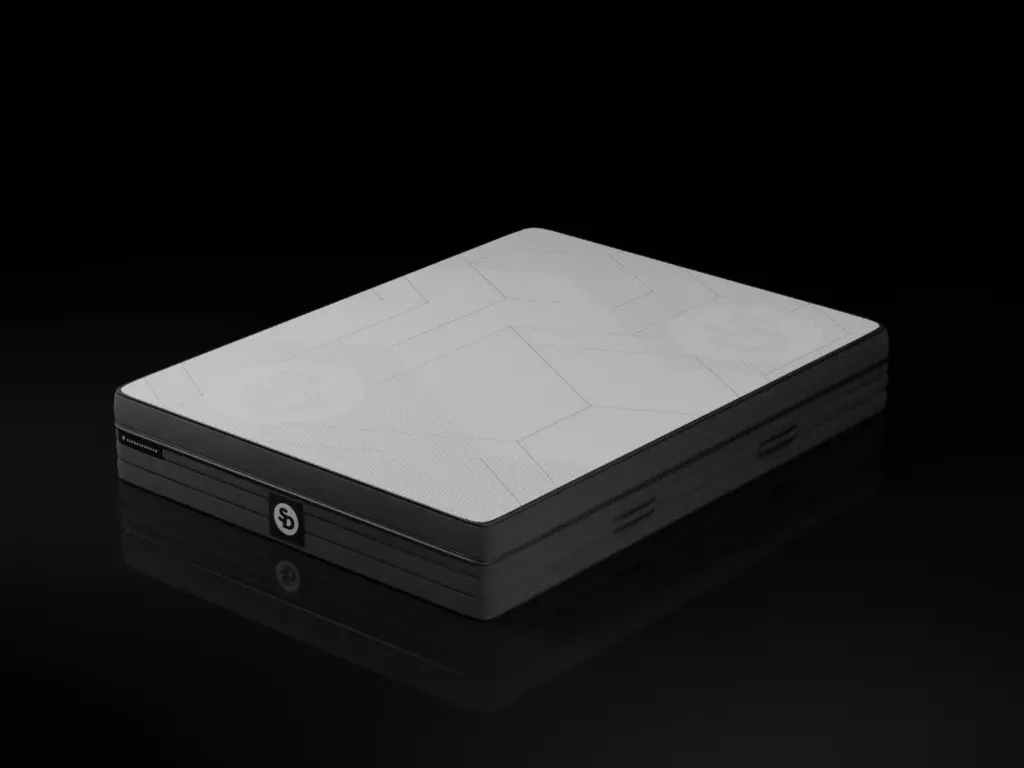
Half-half firmness · 31 cm · 100 nights
From $999
Read the full Sleeping Duck review| Specification | Sealy | Sleeping Duck |
|---|---|---|
| Entry price | From $2,399 | From $999 (better of the two) |
| Warranty | 10 years | 10 years |
| Overall score | 8.4 | 9.1 (better of the two) |
| Firmness | Four levels — Firm / Medium / Plush / Ultra Plush | Adjustable — Medium / Firm / Half-half |
| Construction | Innerspring | Hybrid (Pocket Spring + Foam) |
Firmness and construction are listed as differences, not as a winner — which one suits you depends on how you sleep, not on which is better made.
You want to test it in person and want a traditional innerspring feel.
Check Sealy priceYou are comfortable buying online and want to tune the feel — or need different sides for two people.
Check Sleeping Duck pricePros
Cons
Pros
Cons
Want a third column? Build your own comparison with up to three mattresses.